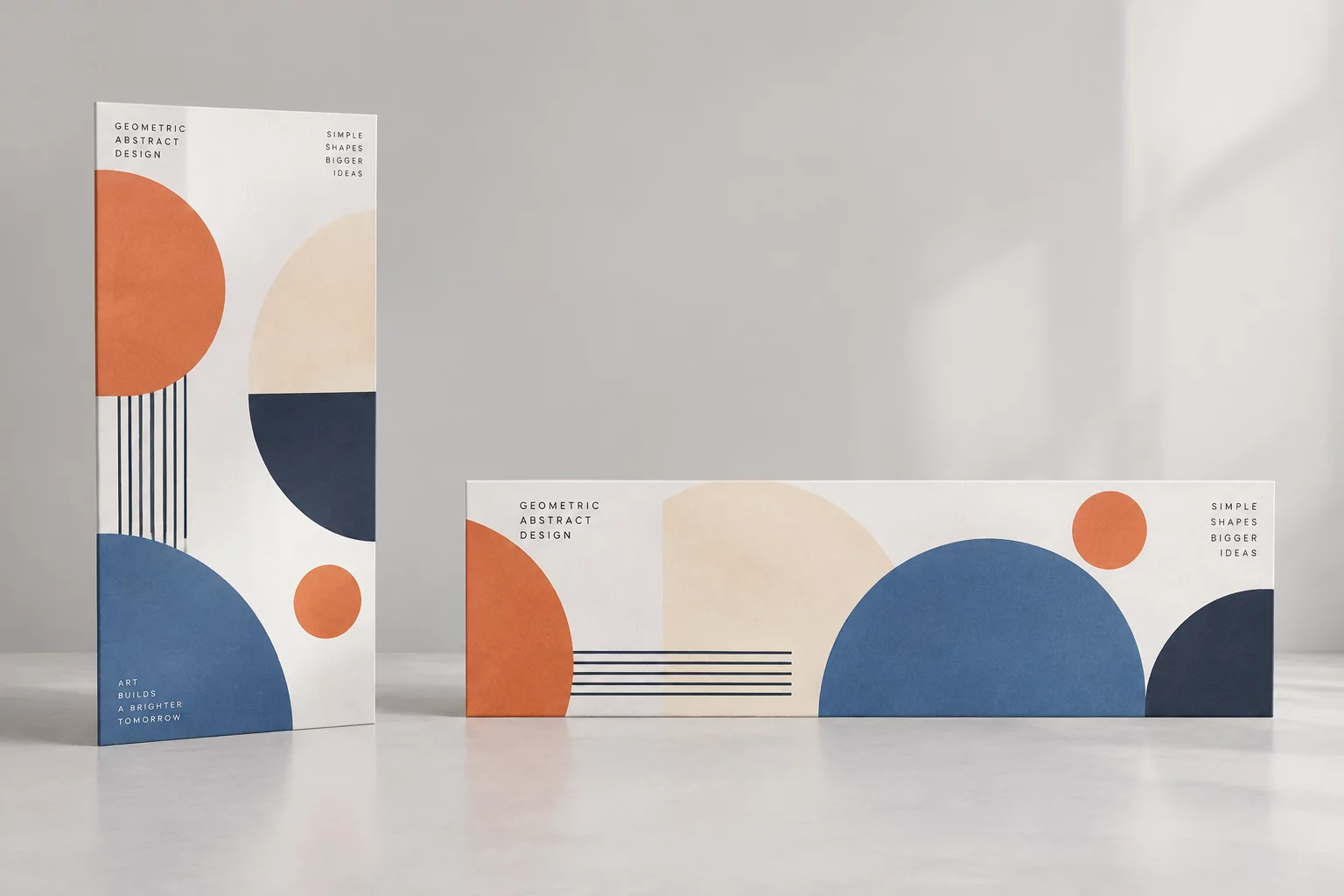
Establishing Master Foundations Before Format Expansion

Multi-channel campaign releases frequently unravel when production designers treat each banner, print flyer, and story canvas as a disconnected one-off project rather than an interdependent ecosystem.
Before exporting a single graphic, assemble a centralized design token file containing scalable vector logomarks, defined color swatch variables for RGB and CMYK environments, high-resolution source photography, and typographic scale pairings. Locking these core assets into a primary master layout establishes an uncompromising visual benchmark that keeps future adaptations anchored to the same compositional weight.
Organizing production folders by destination channel rather than file type prevents asset mismatching. Keeping editable master files in a designated source repository ensures that copy edits or date revisions cascade through linked smart objects across all horizontal, square, and vertical outputs without requiring manual rebuilding from scratch.
Five Rules for Flawless Asset Consistency Across Mediums
Scaling a brand narrative across diverse dimensions demands strict structural guidelines. Following these verified production rules eliminates layout distortion and unreadable copy across physical and digital outputs:
- Preserve Subject Focal Point: Reposition hero imagery dynamically inside each frame instead of mechanically stretching or centering background photographs.
- Enforce Optical Hierarchy: Recalibrate headline scales, tracking, and leading so micro-feed banners maintain the same immediate contrast as giant city billboards.
- Respect Platform Safe Margins: Maintain a minimum 15% inner breathing room on vertical stories and 3mm bleeds on physical offset print runs.
- Calibrate Separate Color Profiles: Export digital display items using sRGB color spaces while converting print deliverables into Fogra39 or SWOP profiles.
Adhering to these principles prevents unreadable microcopy on smartphones and pixelation on high-impact outdoor billboards, guaranteeing that the campaign message resonates immediately in every setting.
Standardized Output Matrix for Full Campaign Packages
| Digital Display Suite | 1:1 Feed Post (1080×1080px), 9:16 Fullscreen Story (1080×1920px), 16:9 Web Hero (1920×1080px), 1.91:1 Landscape Card (1200×628px) |
|---|---|
| Physical Print Collateral | A1 Event Poster (594×841mm, 300 DPI), Tri-Fold Brochure (A4 6-panel), Retractable Roll-Up Banner (850×2000mm, 150 DPI) |
| Direct Response Materials | One-Page Summary Handout (Letter/A4 PDF), Direct Mail Postcard (6×4 inch / 152×102mm), Email Newsletter Header (600×300px) |
| Deliverable Archive Structure | Layered master packages (.AI / .PSD), clean SVG vector assets, optimized WebP / PNG files, print-ready PDF/X-1a formats |
Predefining this exact output grid before beginning production prevents eleventh-hour rework, aligns client expectations, and accelerates delivery across external printing partners and internal media buying teams.
Consultation and Campaign Kit Planning
Need Help Structuring Your Multi-Format Asset Workflow?
Connect with our format adaptation specialists to audit your creative assets, establish scalable layout templates, and streamline cross-media production.
Schedule a Format Consultation
Fill out the form below with your project details to review template structures, safe zone constraints, and resolution requirements with our team.
Related Practical Guides